Biography
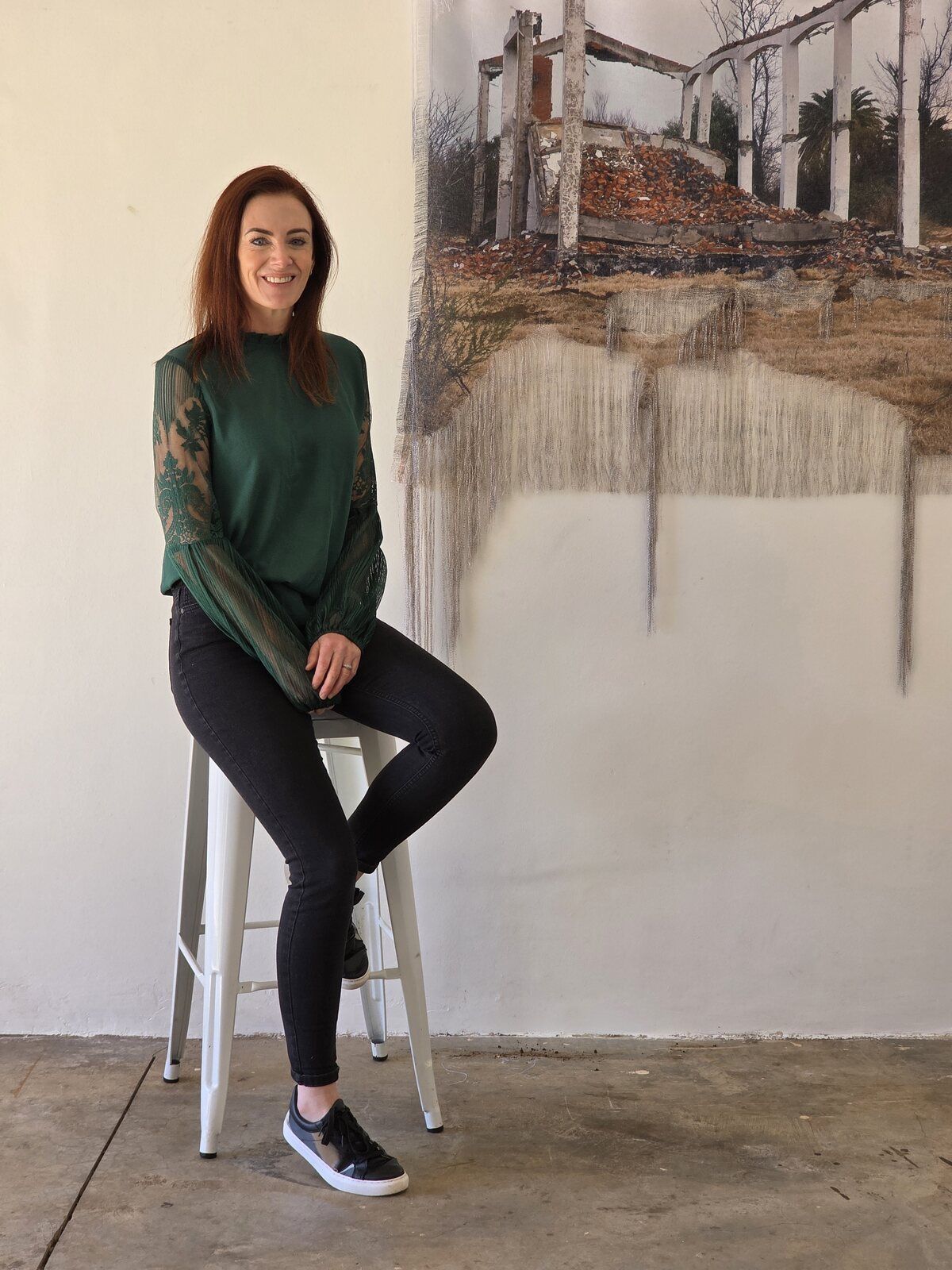
A multidisciplinary artist practising in fibre, performance, photography and installation.
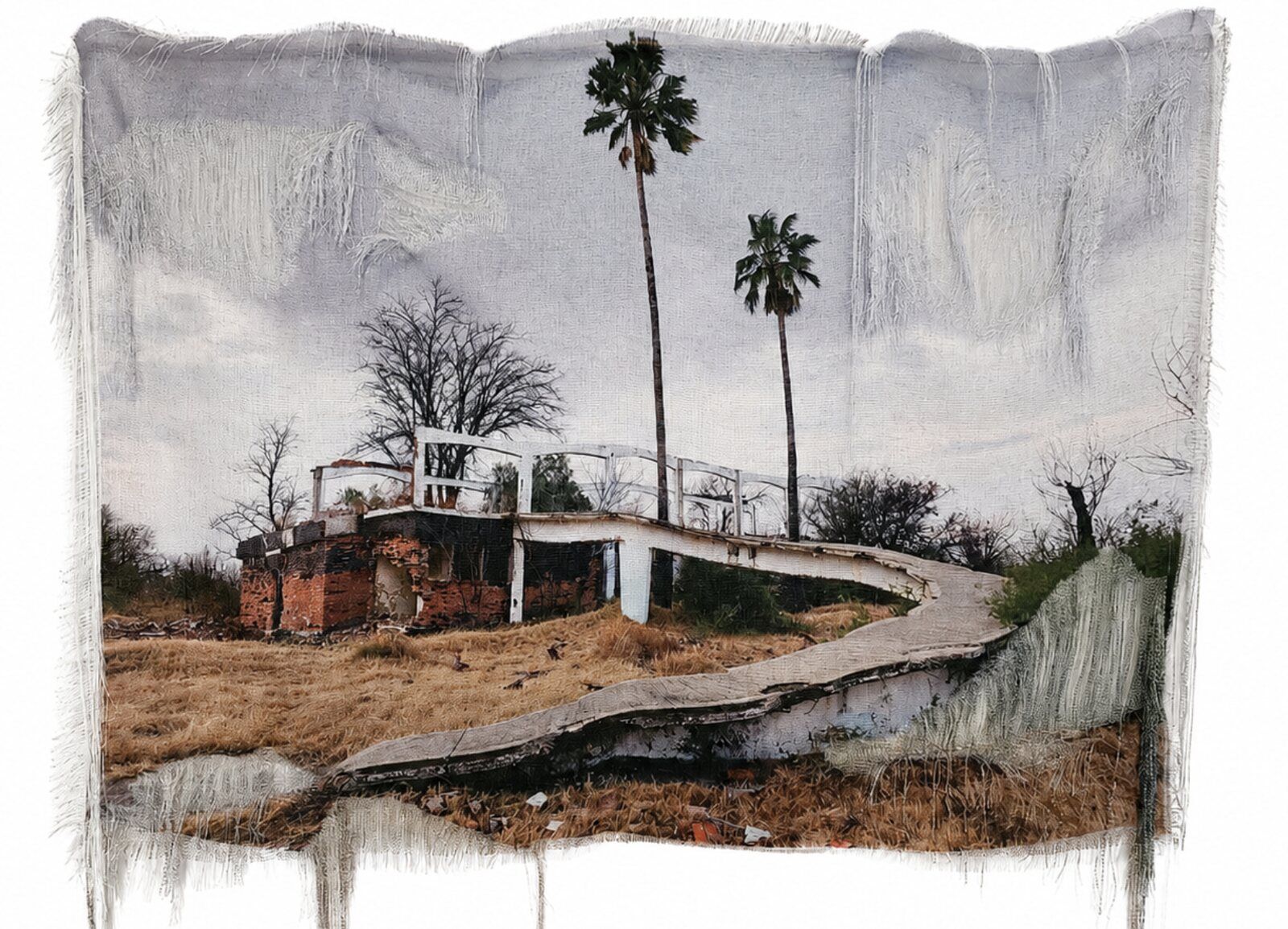
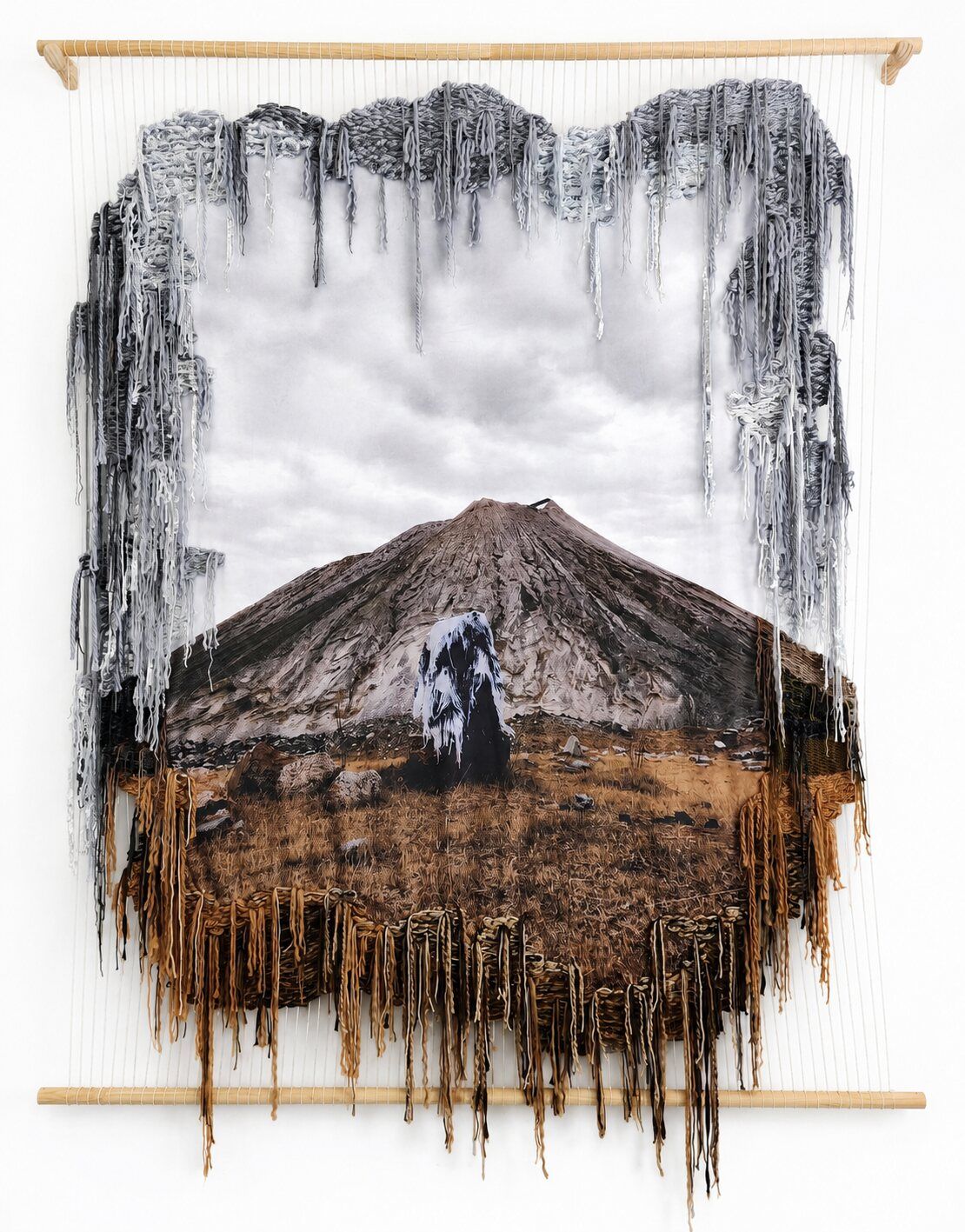
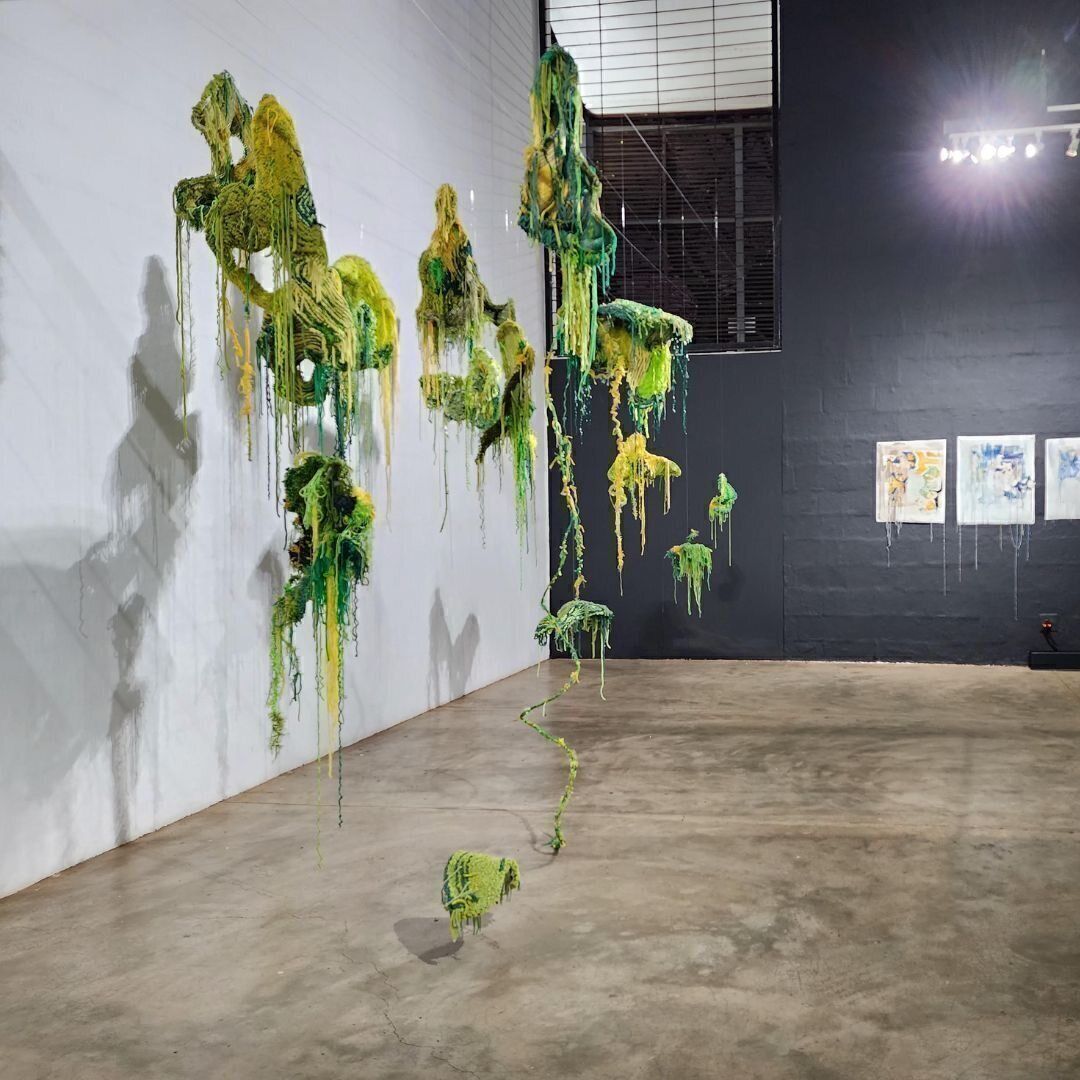
Franli Meintjes (b. 1982) was born in Bloemfontein and now lives and works in Pretoria. She is a multidisciplinary artist practising in fibre, performance, photography, and installation. Using natural and synthetic thread with punch needle, tufting and knot techniques, Meintjes creates textured figurative and abstract pieces.
Franli Meintjes examines both physical and psychological vulnerability within the context of a magic realist landscape. This imagined realm, infused with storytelling and mythology, embodies the paradox of being both a sanctuary and a source of dread. Through this setting, Meintjes explores the complexities, contradictions, and uncertainties of living in the world today.
Meintjes earned her BA in Fine Arts from the University of the Free State in 2004. Her work has been exhibited widely throughout South Africa, including at the KKNK, National Arts Festival, Everard Read, CIRCA Cape Town, the Oude Leeskamer Gallery in Stellenbosch, the Gallery at Glen Carlou, and most recently at the KZNSA Gallery in Durban. She gained notable recognition by ranking among the top 10 artists in the Absa L’Atelier Art Competition for two consecutive years in 2013 and 2014, and was a sculpture finalist in the PPC Imaginarium Competition in 2018. Her work can also be found in the National Art Bank collection.
The work lingers in the space between what is eroding and what is emerging.
In Witnesses, I examine both physical and psychological vulnerability within the context of a magic realist landscape. This imagined realm, infused with storytelling and mythology, embodies the paradox of being both a sanctuary and a source of dread — and holds for me the complexity of what it means to exist in the world, right now.
Through processes such as cutting, tearing, and unraveling, I reflect on the shifting boundaries between permanence and impermanence, protection and vulnerability. Unlike photography, which often seems to freeze a moment in time, fibre work expands time through its materiality and its labour-intensive processes — where fragile forms carry the residue of history while quietly pointing toward possible futures.